- 01Power — how fast you produce force — declines earlier and faster than strength in midlife
- 02Do power work first, right after your warm-up, on a fresh nervous system, twice a week
- 0310 to 20 spaced-out jumps build bone density at the hip, where fractures do the most damage
- 04It adds 5 to 10 minutes, it's low volume by design, and quality beats quantity every rep
Here's something that might surprise you: the physical ability you lose fastest in midlife isn't strength.
It's power.
Strength is how much force you can produce. Power is how fast you can produce it. Deadlifting a heavy barbell off the floor is strength. Jumping onto a box, sprinting for the bus, or catching yourself when your foot hits an uneven sidewalk is power.
And power starts declining earlier and faster than strength does. Research consistently shows the annual drop in muscle power outpaces the drop in muscle strength as we age. Data from the Baltimore Longitudinal Study of Aging found that decline accelerates sharply after age 65 in women.
Which means the years before that matter enormously. That's us.
Most of us in perimenopause are doing the right thing by lifting. But if your training is all slow, controlled, grind-it-out work, you're leaving one of the most protective adaptations on the table.
Let's fix that.
Why Power Declines Faster Than Strength
Your muscles contain two broad types of fibers. Type I fibers are slow-twitch, built for endurance. Type II are fast-twitch, built for explosive effort.
Aging doesn't hit them equally. Type II fibers shrink selectively. You lose the explosive ones first.
There's a nervous system component too. Power isn't just muscle size. It's how fast your brain recruits those fibers and how well they fire together. That signal quality degrades with age, and it degrades faster when you never ask it to work at speed.
Here's the thing about training adaptations: your body gets good at what you practice. If every rep you perform is a three-second grind, you are training force production and neglecting speed. The fast-twitch machinery goes quiet from disuse on top of the aging effect.
Estrogen decline adds another layer. Falling estrogen contributes to accelerated muscle and bone loss through the menopause transition, which makes women particularly vulnerable during exactly the years when power is starting to slide.
The encouraging part is that this is highly trainable. Fast-twitch fibers respond well to being asked to move fast, at any age.
What the Research Actually Shows
Power predicts how long you live. A 2025 report in Mayo Clinic Proceedings found muscle power is a better predictor of mortality in middle-aged and older adults than strength is. That's a striking finding given how much attention strength gets.
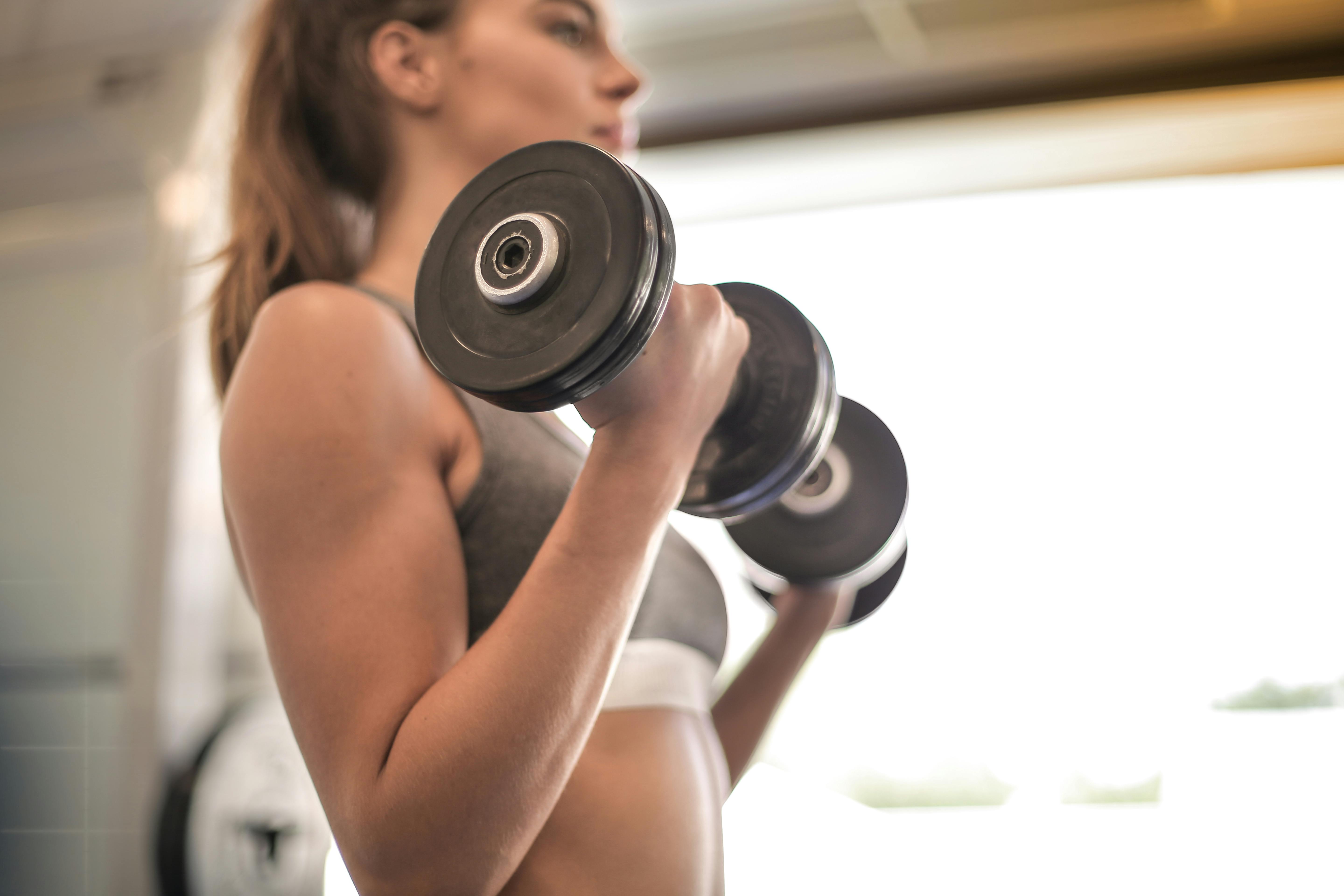
Power training beats strength training alone for physical function. Reviews comparing power training to traditional resistance training in older adults consistently find power training produces better improvements in functional capacity. This doesn't make strength training less important. It means adding speed delivers something slow training doesn't fully replicate.
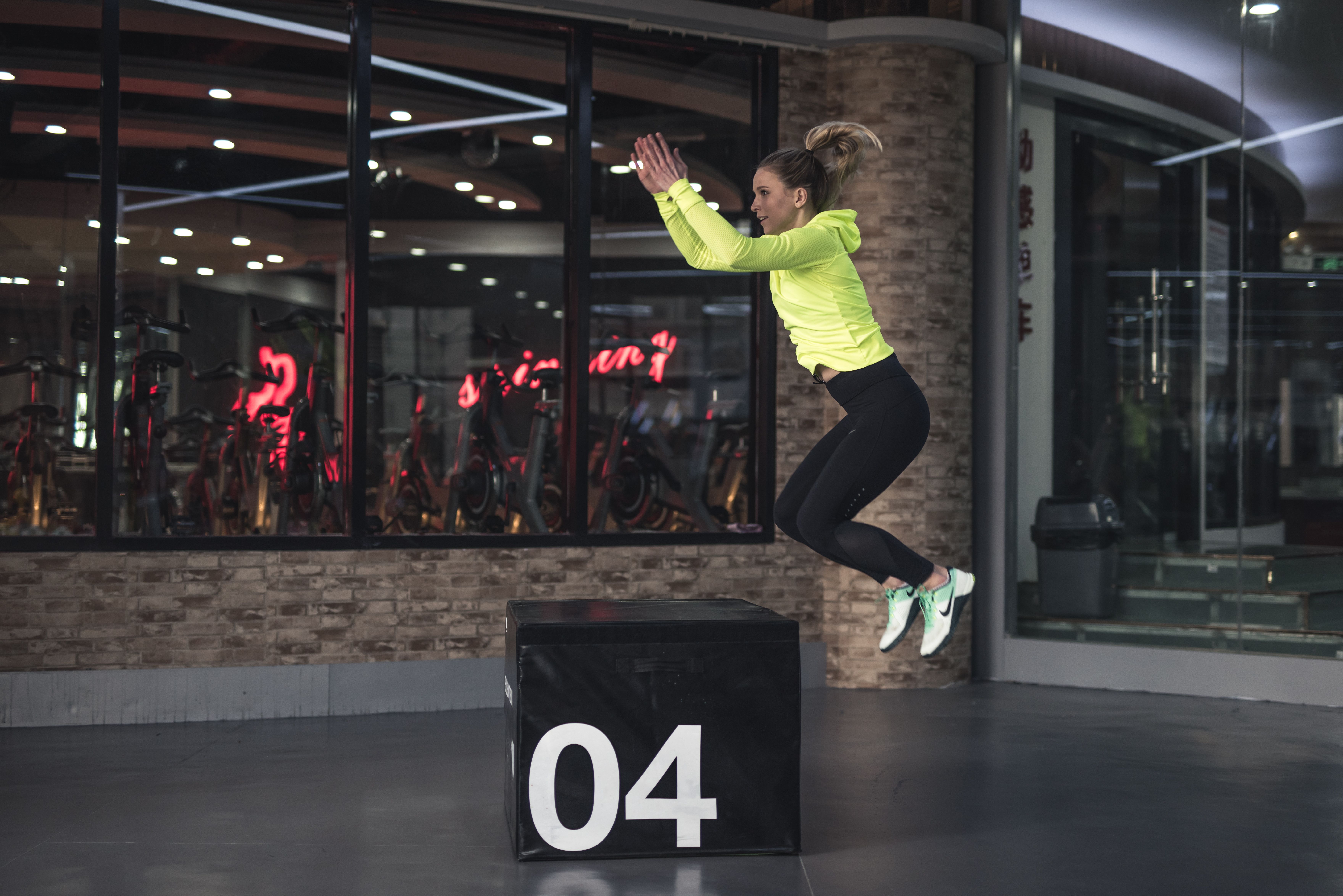
Jumping builds bone where you need it most. This one deserves attention. Meta-analyses of jumping exercise in premenopausal women show significant increases in bone mineral density at the femoral neck and trochanter, both hip sites. The lumbar spine responds less. The hip is where osteoporotic fractures do the most damage, so this is exactly the site you want to protect.
The doses in these studies are surprisingly small. One randomized trial found that 10 to 20 jumps twice daily, with 30 seconds of rest between each jump, improved hip BMD in premenopausal women over 16 weeks. Another found improvements from just 10 maximal vertical jumps three times a week.
That rest between jumps matters. Bone responds to novel loading, and it gets desensitized quickly within a set. Spacing jumps out gives you more osteogenic signal per jump than banging out 50 in a row.
Power training protects you from falls. A stumble only becomes a fall when your body can't correct fast enough. That correction is pure power. Studies confirm power training lowers fall risk and improves functional capacity in older adults. You're not training for a fall you'll have next week. You're training the reflex you'll need at 75.
The Part Nobody Mentions: It's Genuinely Fun
I'm going to be honest about why I really want you to try this.
Power work is fun in a way that grinding sets are not.
There's something about throwing a medicine ball as hard as you can, or landing a jump cleanly, that feels different from your eighth rep of a heavy squat. It's playful. It taps into a way of moving most of us abandoned somewhere around high school.
There's also an immediate feedback loop that lifting heavy doesn't give you. You know instantly whether a jump felt springy or heavy. You feel yourself getting faster within a few weeks, and it's obvious in a way that adding 5 pounds to a squat isn't.
And it's fast. Power work is low volume by design. You're adding 5 to 10 minutes, not restructuring your week.
Consistency is the thing that actually builds results. Training you look forward to gets done.
How to Add Power Training to Your Week
Two rules before the programming.
Power work goes first. Right after your warm-up, before your heavy lifts. Power requires a fresh nervous system. Doing jumps at the end of a session when you're smoked is how you get sloppy landings and sore knees.
Quality over quantity, always. Every rep should be maximal effort and crisp. The moment reps start looking slow or landings get heavy, you're done. This is the opposite of a burner set. Low reps, full rest, high intent.
Start Here (Weeks 1 to 3)
If you haven't done impact work in years, begin with landing mechanics before adding height or speed.
| Exercise | Sets × Reps | Rest | Notes |
|---|---|---|---|
| Countermovement jump (small, focus on soft landing) | 3 × 5 | 60s | Land quietly, knees tracking over toes |
| Med ball chest throw (against wall) | 3 × 5 | 60s | Throw as hard as you can |
| Fast bodyweight step-up | 2 × 5/side | 60s | Drive up quickly, control down |
Twice a week, before your regular strength session. That's it. Roughly 8 minutes.
Build (Weeks 4 to 8)
| Exercise | Sets × Reps | Rest | Notes |
|---|---|---|---|
| Box jump (start low, 12 to 16 inches) | 4 × 4 | 90s | Step down, never jump down |
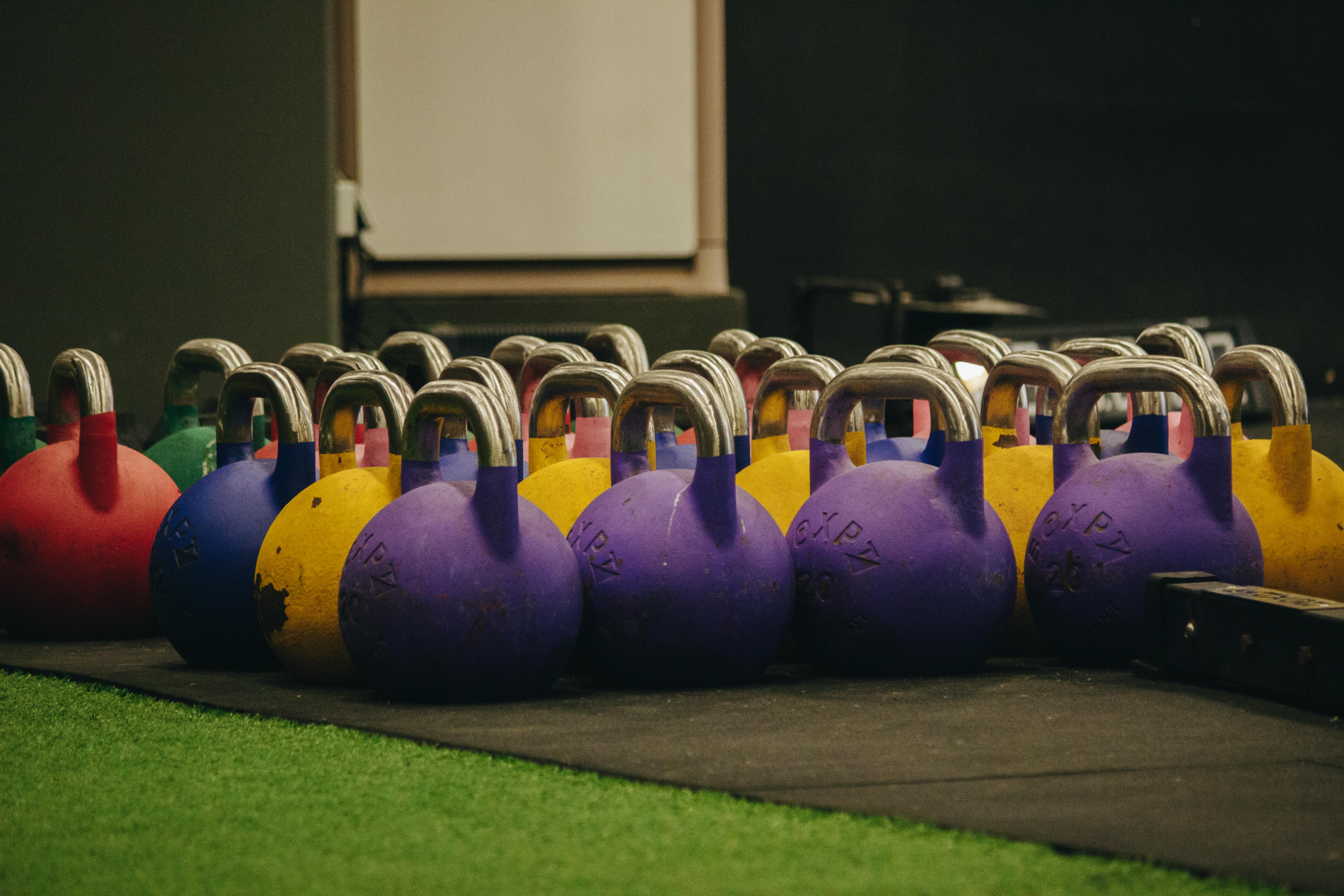
| Kettlebell swing | 4 × 8 | 90s | Explosive hip snap, not a squat |
| Med ball slam or rotational throw | 3 × 5/side | 60s | Full intent every rep |
| Broad jump | 3 × 3 | 90s | Stick the landing |
The Bone-Specific Add-On
If bone density is a primary concern for you, borrow directly from the research protocols. Ten to 20 jumps, with about 30 seconds between each one, on non-lifting days. Simple vertical jumps or hops work fine. Land through the whole foot.
It takes under 10 minutes and the evidence behind it is stronger than most supplements you'll see marketed for bone health.
Who Should Be Careful
Impact work isn't universally appropriate.
Talk to your doctor or a physical therapist before adding jumping if you have diagnosed osteoporosis, particularly with vertebral fractures. High-intensity resistance and impact training has been studied in postmenopausal women with low bone mass and shown good safety outcomes under supervision; "under supervision" being the key here.
Also proceed carefully with acute joint pain, recent injury, significant pelvic floor symptoms, or if you're brand new to any resistance training. In that last case, spend a few months building base strength first.
If jumping is off the table, you still have options. Med ball throws, fast concentric lifting, and kettlebell swings train power with far less joint impact.
Pelvic floor symptoms deserve a specific note, because a lot of women quietly write off jumping after childbirth. Leaking during impact is common. It is not something you have to accept permanently. A pelvic floor physical therapist can usually help, and many women return to jumping successfully.
What to Expect
Power adaptations show up fast. Most of the early improvement is neural, meaning your nervous system gets better at recruiting fibers before the muscle itself changes much. Expect jumps to feel springier within three to four weeks.
Bone takes longer. Bone remodeling operates on a timescale of months, and the studies showing BMD change ran 16 weeks to 6 months minimum. Be patient there.
Don't expect soreness as a marker of a good session. Power work is low volume. If you're wrecked the next day, you did too much.
The Bottom Line
Strength training is still the foundation. Nothing here replaces it.
But if your program is all slow and heavy, you're training only half of what midlife actually demands. Power is the quality that declines fastest, predicts mortality better than strength, builds hip bone density, and keeps you upright when your foot catches an edge.
It costs you 10 minutes, twice a week.
And it's the most fun you'll have in the gym all week. Go jump on something.
Next step: power work sits on top of a base of strength, and that base is exactly what the 4-week Perimenopause Workout Blueprint is built to give you. Grab it below, build the foundation, then add the impact.
Get the Perimenopause Workout Blueprint
A one-page strength plan designed for women in perimenopause so you can train smarter, protect your bones, and feel strong again.
We respect your privacy and will never share your information. Unsubscribe anytime.
This post is for informational and educational purposes only and does not replace medical advice. Always consult with your healthcare provider before making changes to your exercise, nutrition, or supplement routine, especially regarding hormone therapy, which requires individualized medical assessment of risks and benefits.